Ήταν 20 Ιουλίου του 1969, όταν το πλήρωμα του αμερικανικού διαστημοπλοίου Apollo 11 προσεληνώθηκε. Ένα τεράστιο τεχνολογκό βήμα για την ανθρωπότητα ολοκληρώθηκε. Αλήθεια ποιο θα είναι το επόμενο; Μήσως ο Άρης;
Showing posts with label σελήνη. Show all posts
Showing posts with label σελήνη. Show all posts
Thursday, 23 July 2020
Apollo 11: Ο άνθρωπος για πρώτη φορά στο φεγγάρι.
Ήταν 20 Ιουλίου του 1969, όταν το πλήρωμα του αμερικανικού διαστημοπλοίου Apollo 11 προσεληνώθηκε. Ένα τεράστιο τεχνολογκό βήμα για την ανθρωπότητα ολοκληρώθηκε. Αλήθεια ποιο θα είναι το επόμενο; Μήσως ο Άρης;


Thursday, 9 July 2020
Η Πανσέληνος στην Κω...

Μαγευτική πανσέληνος χθες βράδυ.
Η εικόνα του φεγγαριού μας γέμισε δέος και ρομαντισμό.
Η απεραντοσύνη του σύμπαντος μας βοηθά να κατανοούμε τη ασημαντότητα και το εφήμερο της ανθρώπινης ύπαρξης.
Sunday, 28 June 2020
Astronomy Picture of the Day: Moon Occults Venus
2020 June 21
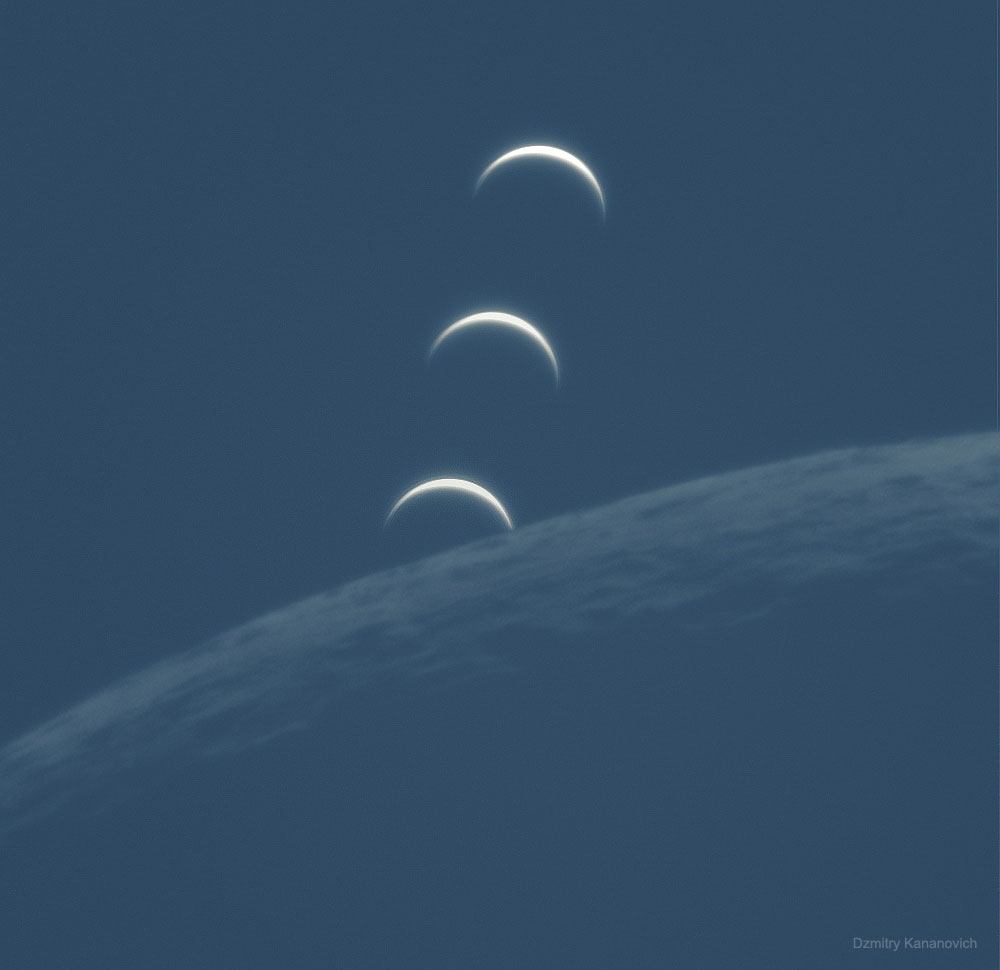
Explanation: It may look like Earthrise, but it's actually Venus-set. Just after sunrise two days ago, both the Moon and Venus also rose. But then the Moon overtook Venus. In the featured image sequence centered on the Moon, Venus is shown increasingly angularly close to the Moon. In the famous Earthrise image taken just over 50 years ago, the Earth was captured rising over the edge of the Moon, as seen from the Apollo 8 crew orbiting the Moon. This similar Venus-set image was taken from Earth, of course, specifically Estonia. Venus shows only a thin crescent because last week it passed nearly in front of the Sun, as seen from Earth. The Moon shows only a thin crescent because it will soon be passing directly in front of the Sun, as seen from Earth. Today, in fact, two days after this image was taken, the Moon will create a solar eclipse, with a thin swath across the Earth treated to an annular solar eclipse.
https://apod.nasa.gov/apod/ap200621.html
Explanation: It may look like Earthrise, but it's actually Venus-set. Just after sunrise two days ago, both the Moon and Venus also rose. But then the Moon overtook Venus. In the featured image sequence centered on the Moon, Venus is shown increasingly angularly close to the Moon. In the famous Earthrise image taken just over 50 years ago, the Earth was captured rising over the edge of the Moon, as seen from the Apollo 8 crew orbiting the Moon. This similar Venus-set image was taken from Earth, of course, specifically Estonia. Venus shows only a thin crescent because last week it passed nearly in front of the Sun, as seen from Earth. The Moon shows only a thin crescent because it will soon be passing directly in front of the Sun, as seen from Earth. Today, in fact, two days after this image was taken, the Moon will create a solar eclipse, with a thin swath across the Earth treated to an annular solar eclipse.
https://apod.nasa.gov/apod/ap200621.html
Tuesday, 24 March 2020
Astronomy Picture of the Day: Moon Setting Behind Teide Volcano
2020 March 22
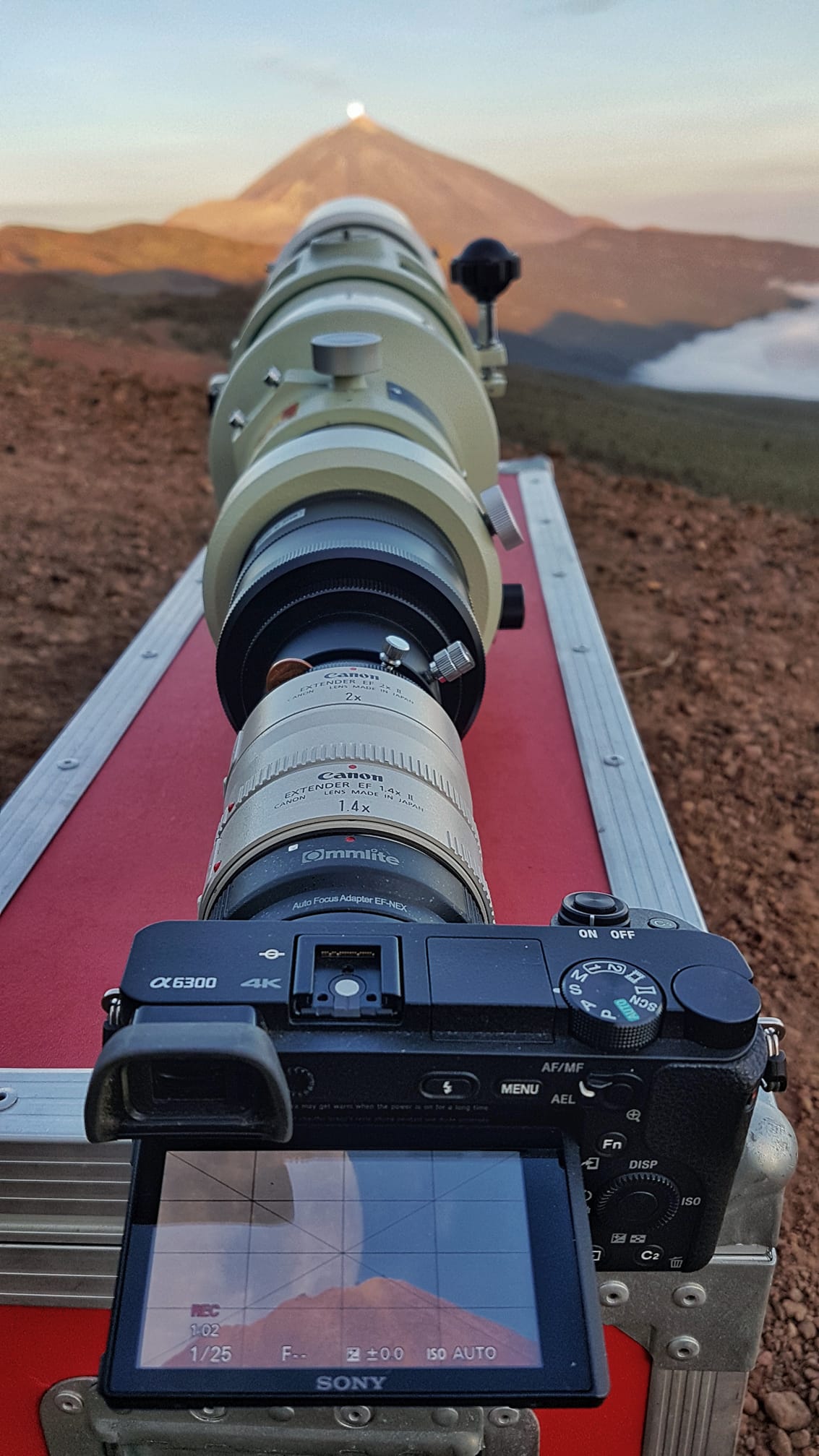
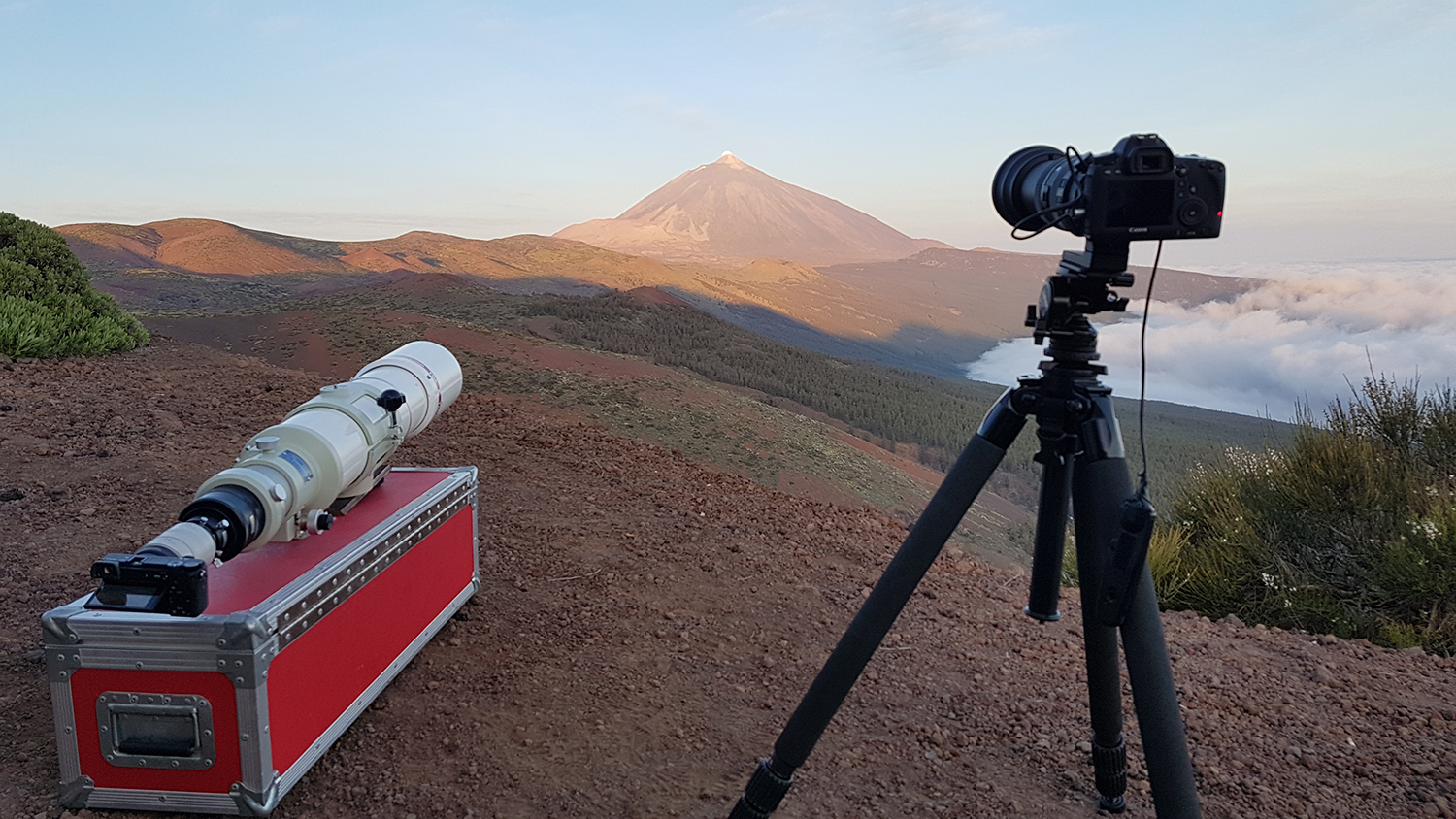
Explanation: These people are not in danger. What is coming down from the left is just the Moon, far in the distance. Luna appears so large here because she is being photographed through a telescopic lens. What is moving is mostly the Earth, whose spin causes the Moon to slowly disappear behind Mount Teide, a volcano in the Canary Islands off the northwest coast of Africa. The people pictured are 16 kilometers away and many are facing the camera because they are watching the Sun rise behind the photographer. It is not a coincidence that a full moon rises just when the Sun sets because the Sun is always on the opposite side of the sky from a full moon. The featured video was made two years ago during the full Milk Moon. The video is not time-lapse -- this was really how fast the Moon was setting.
https://apod.nasa.gov/apod/astropix.html
Explanation: These people are not in danger. What is coming down from the left is just the Moon, far in the distance. Luna appears so large here because she is being photographed through a telescopic lens. What is moving is mostly the Earth, whose spin causes the Moon to slowly disappear behind Mount Teide, a volcano in the Canary Islands off the northwest coast of Africa. The people pictured are 16 kilometers away and many are facing the camera because they are watching the Sun rise behind the photographer. It is not a coincidence that a full moon rises just when the Sun sets because the Sun is always on the opposite side of the sky from a full moon. The featured video was made two years ago during the full Milk Moon. The video is not time-lapse -- this was really how fast the Moon was setting.
https://apod.nasa.gov/apod/astropix.html
Wednesday, 1 January 2020
‘Ring of Fire’ Eclipse Dazzles Asia and Middle East!!!
An annular eclipse, during which a ring of light forms around the moon as it passes in front of the sun’s disk, occurred on Thursday. “You can actually see the solar system in motion,” an astronomer said. https://t.co/PMuJEizrfg— NYT Science (@NYTScience) December 28, 2019
Saturday, 30 November 2019
Astronomy Picture of the Day: Moon and Planets at Twilight
2019 November 28
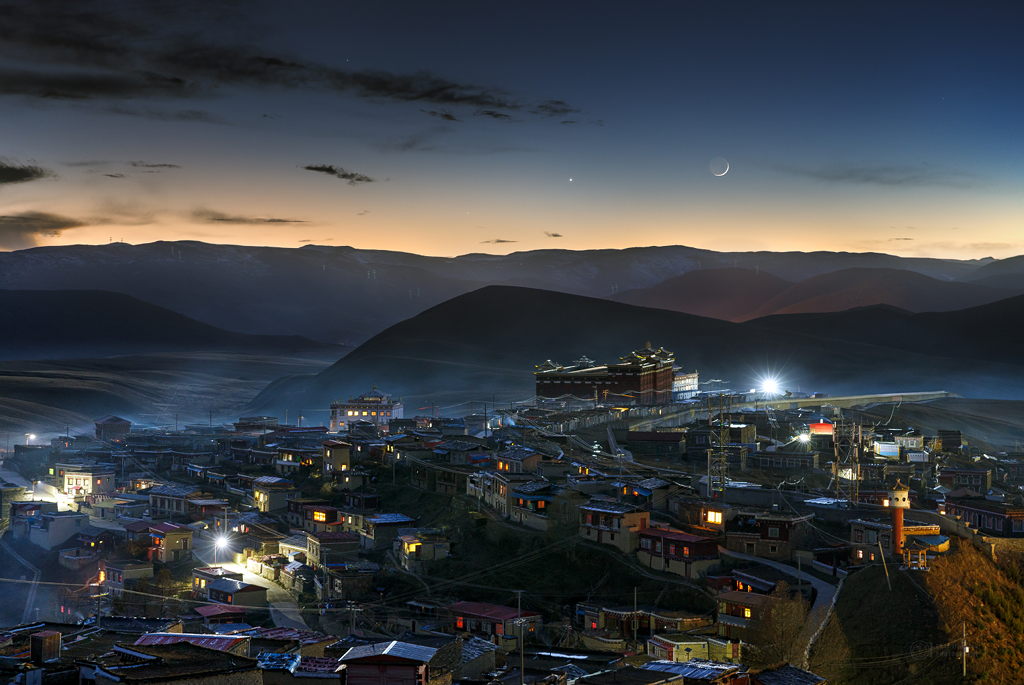
Explanation: This week's ongoing conjunction of Venus and Jupiter may have whetted your appetite for skygazing. Tonight is the main course though. On November 28, a young crescent Moon will join them posing next to the two bright planets above the western horizon at twilight. Much like tonight's visual feast, this night skyscape shows a young lunar crescent and brilliant Venus in the western evening twilight on October 29. The celestial beacons are setting over distant mountains and the Minya monastery, Ganzi Tibetan Autonomous Prefecture, Sichuan, China, planet Earth. Then Mercury, not Jupiter, was a celestial companion to Venus and the Moon. The fleeting innermost planet is just visible here in the bright twilight, below and left of Venus and near the center of the frame. Tomorrow, November 29, the crescent Moon will also help you spot planet Saturn for desert.
https://apod.nasa.gov/apod/astropix.html
Explanation: This week's ongoing conjunction of Venus and Jupiter may have whetted your appetite for skygazing. Tonight is the main course though. On November 28, a young crescent Moon will join them posing next to the two bright planets above the western horizon at twilight. Much like tonight's visual feast, this night skyscape shows a young lunar crescent and brilliant Venus in the western evening twilight on October 29. The celestial beacons are setting over distant mountains and the Minya monastery, Ganzi Tibetan Autonomous Prefecture, Sichuan, China, planet Earth. Then Mercury, not Jupiter, was a celestial companion to Venus and the Moon. The fleeting innermost planet is just visible here in the bright twilight, below and left of Venus and near the center of the frame. Tomorrow, November 29, the crescent Moon will also help you spot planet Saturn for desert.
https://apod.nasa.gov/apod/astropix.html
Tuesday, 26 November 2019
Astronomy Picture of the Day: Apollo 12: Self-Portrait!!!
2019 November 24
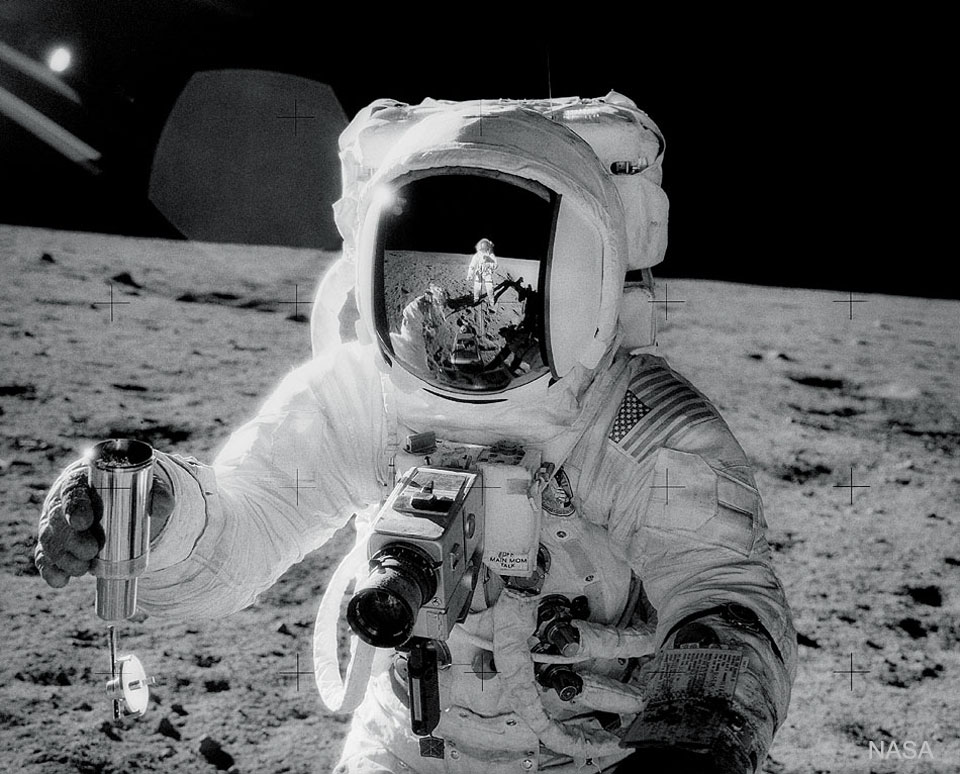
Explanation: Is this image art? 50 years ago, Apollo 12 astronaut-photographer Charles "Pete" Conrad recorded this masterpiece while documenting colleague Alan Bean's lunar soil collection activities on Oceanus Procellarum. The featured image is dramatic and stark. The harsh environment of the Moon's Ocean of Storms is echoed in Bean's helmet, a perfectly composed reflection of Conrad and the lunar horizon. Works of photojournalists originally intent on recording the human condition on planet Earth, such as Lewis W. Hine's images from New York City in the early 20th century, or Margaret Bourke-White's magazine photography are widely regarded as art. Similarly many documentary astronomy and space images might also be appreciated for their artistic and esthetic appeal.
https://apod.nasa.gov/apod/astropix.html
Explanation: Is this image art? 50 years ago, Apollo 12 astronaut-photographer Charles "Pete" Conrad recorded this masterpiece while documenting colleague Alan Bean's lunar soil collection activities on Oceanus Procellarum. The featured image is dramatic and stark. The harsh environment of the Moon's Ocean of Storms is echoed in Bean's helmet, a perfectly composed reflection of Conrad and the lunar horizon. Works of photojournalists originally intent on recording the human condition on planet Earth, such as Lewis W. Hine's images from New York City in the early 20th century, or Margaret Bourke-White's magazine photography are widely regarded as art. Similarly many documentary astronomy and space images might also be appreciated for their artistic and esthetic appeal.
https://apod.nasa.gov/apod/astropix.html
Sunday, 24 November 2019
Astronomy Picture of the Day: Apollo 12 and Surveyor 3 Stereo View!!!
2019 November 23
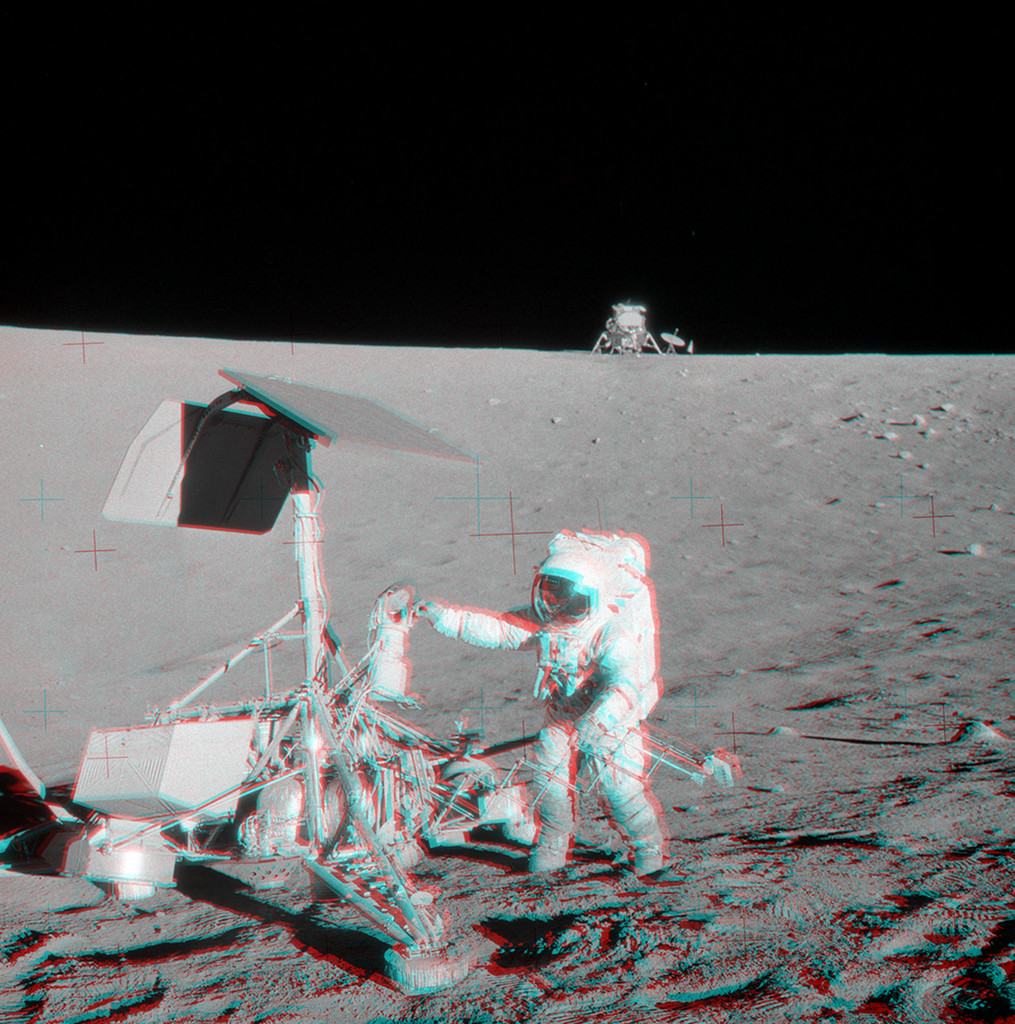
Explanation: Put on your red/blue glasses and gaze across the western Ocean of Storms on the surface of the Moon. The 3D view features Apollo 12 astronaut Pete Conrad visiting the Surveyor 3 spacecraft 50 years ago in November of 1969. Surveyor 3 had landed at the site on the inside slope of a small crater about 2 1/2 years earlier in April of 1967. Visible on the horizon beyond the far crater wall, Apollo 12's Lunar Module Intrepid touched down less than 200 meters (650 feet) away, easy moonwalking distance from the robotic Surveyor spacecraft. The stereo image was carefully created from two separate pictures (AS12-48-7133, AS12-48-7134) taken on the lunar surface. They depict the scene from only slightly different viewpoints, approximating the separation between human eyes.
Explanation: Put on your red/blue glasses and gaze across the western Ocean of Storms on the surface of the Moon. The 3D view features Apollo 12 astronaut Pete Conrad visiting the Surveyor 3 spacecraft 50 years ago in November of 1969. Surveyor 3 had landed at the site on the inside slope of a small crater about 2 1/2 years earlier in April of 1967. Visible on the horizon beyond the far crater wall, Apollo 12's Lunar Module Intrepid touched down less than 200 meters (650 feet) away, easy moonwalking distance from the robotic Surveyor spacecraft. The stereo image was carefully created from two separate pictures (AS12-48-7133, AS12-48-7134) taken on the lunar surface. They depict the scene from only slightly different viewpoints, approximating the separation between human eyes.
Monday, 22 July 2019
Apollo 11 Moon Launch 50th Anniversary | CBS News Special Coverage, live stream
Fifty years ago today, Apollo 11 began its voyage into American history. The Saturn V rocket carrying astronauts Neil Armstrong, Edwin "Buzz" Aldrin and Michael Collins launched from the Kennedy Space Center in Florida at 9:32 a.m. on July 16, 1969 — and just four days later, man first set foot on the moon. The moon mission was a milestone in human history. But it was also a groundbreaking moment in broadcast television, as CBS News anchor Walter Cronkite brought the frontier of space to living rooms across America.
Thursday, 18 July 2019
50 χρόνια από την ιστορική εκτόξευση. Apollo 11, για πρώτη φορά στη σελήνη!!!
Η αποστολή Απόλλων 11 ήταν μέρος του Προγράμματος Απόλλων της NASA, που τελικό του στόχο είχε την προσεδάφιση ανθρώπων στη Σελήνη. Ο στόχος αυτός έγινε πραγματικότητα με τη συγκεκριμένη αποστολή, όταν ο Νηλ Άρμστρονγκ έγινε ο πρώτος άνθρωπος που πάτησε στη Σελήνη στις 21 Ιουλίου 1969.
Η αποστολή εκτοξεύτηκε από το Διαστημικό Κέντρο Κένεντι στις 16 Ιουλίου 1969, στις 13:32 UTC με έναν πύραυλο Κρόνος V και τριμελές πλήρωμα αποτελούμενο από τους Νηλ Άρμστρονγκ, Μπαζ Όλντριν και Μάϊκλ Κόλλινς. Λίγο αργότερα μπήκε σε πορεία προς τη Σελήνη και μετά από ένα ταξίδι τριών ημερών τέθηκε σε τροχιά γύρω από το δορυφόρο της Γης. Η κάθοδος της σεληνακάτου, που κράτησε περίπου 12 λεπτά, δυσκόλεψε λόγω προβλημάτων στον υπολογιστή του σκάφους, αλλά και όταν διαπιστώθηκε ότι η τοποθεσία που είχε επιλεγεί δεν ήταν αρκετά ομαλή. Έτσι ο Άρμστρονγκ ανέλαβε το χειροκίνητο έλεγχο της πτήσης, επιλέγοντας επί τόπου άλλο σημείο προσελήνωσης. Τελικά ο Αετός προσεληνώθηκε στις 20:17 UTC της 20ης Ιουλίου. Τα πρώτα λόγια που μεταδόθηκαν από την επιφάνεια της Σελήνης ήταν Houston, Tranquility Base here. The Eagle hs landed.
Ακολούθησαν προετοιμασίες για την έξοδο από το σκάφος, που κράτησαν περίπου έξι ώρες. Στις 2:56 UTC της 21ης Ιουλίου, ο Νηλ Άρμστρονγκ έγινε ο πρώτος άνθρωπος που πάτησε στην επιφάνεια ενός ουράνιου σώματος, λέγοντας τα διάσημα πλέον λόγια That's one small step for (a) man, one giant leap for mankind (Ένα μικρό βήμα για έναν άνθρωπο, ένα γιγαντιαίο άλμα για την ανθρωπότητα), που είχε από πριν προετοιμάσει για την περίσταση. Τα πρώτα βήματα στη Σελήνη μεταδόθηκαν ζωντανά στη Γη, μέσω μιας κάμερας που υπήρχε στο εξωτερικό της σεληνακάτου, και υπολογίζεται ότι τα παρακολούθησαν 500-700 εκατομμύρια άνθρωποι σε όλο τον κόσμο.
Τον Άρμστρονγκ ακολούθησε ο Όλντριν, και οι δυο τους έμειναν στην επιφάνεια της Σελήνης περίπου δυόμισι ώρες, στήνοντας ιστό με την αμερικανική σημαία, παίρνοντας περίπου είκοσι κιλά δειγμάτων εδάφους, βράχων και σκόνης και τοποθετώντας εξοπλισμό για επιστημονικά πειράματα (ένα σεισμογράφο και έναν ανακλαστήρα λέϊζερ για τη μέτρηση της απόστασης της Σελήνης από τη Γη). Στην επιφάνεια της Σελήνης, εκτός από την αμερικανική σημαία και τα πειράματα, έμεινε και μια αναμνηστική πλάκα (στο τμήμα καθόδου της σεληνακάτου) με την επιγραφή Here Men From The Planet Earth First Set Foot Upon the Moon, July 1969 A.D. We Came in Peace For All Mankind.
Οι αστροναύτες του Απόλλων 11 προσθαλασσώθηκαν στον Ειρηνικό Ωκεανό, κοντά στη νήσο Ουέηκ, στις 24 Ιουλίου 1969.
Wednesday, 17 July 2019
Apollo 11, για πρώτη φορά στη σελήνη!!!
Η αποστολή Απόλλων 11 ήταν μέρος του Προγράμματος Απόλλων της NASA, που τελικό του στόχο είχε την προσεδάφιση ανθρώπων στη Σελήνη. Ο στόχος αυτός έγινε πραγματικότητα με τη συγκεκριμένη αποστολή, όταν ο Νηλ Άρμστρονγκ έγινε ο πρώτος άνθρωπος που πάτησε στη Σελήνη στις 21 Ιουλίου 1969.
Η αποστολή εκτοξεύτηκε από το Διαστημικό Κέντρο Κένεντι στις 16 Ιουλίου 1969, στις 13:32 UTC με έναν πύραυλο Κρόνος V και τριμελές πλήρωμα αποτελούμενο από τους Νηλ Άρμστρονγκ, Μπαζ Όλντριν και Μάϊκλ Κόλλινς. Λίγο αργότερα μπήκε σε πορεία προς τη Σελήνη και μετά από ένα ταξίδι τριών ημερών τέθηκε σε τροχιά γύρω από το δορυφόρο της Γης. Η κάθοδος της σεληνακάτου, που κράτησε περίπου 12 λεπτά, δυσκόλεψε λόγω προβλημάτων στον υπολογιστή του σκάφους, αλλά και όταν διαπιστώθηκε ότι η τοποθεσία που είχε επιλεγεί δεν ήταν αρκετά ομαλή. Έτσι ο Άρμστρονγκ ανέλαβε το χειροκίνητο έλεγχο της πτήσης, επιλέγοντας επί τόπου άλλο σημείο προσελήνωσης. Τελικά ο Αετός προσεληνώθηκε στις 20:17 UTC της 20ης Ιουλίου. Τα πρώτα λόγια που μεταδόθηκαν από την επιφάνεια της Σελήνης ήταν Houston, Tranquility Base here. The Eagle has landed.
Ακολούθησαν προετοιμασίες για την έξοδο από το σκάφος, που κράτησαν περίπου έξι ώρες. Στις 2:56 UTC της 21ης Ιουλίου, ο Νηλ Άρμστρονγκ έγινε ο πρώτος άνθρωπος που πάτησε στην επιφάνεια ενός ουράνιου σώματος, λέγοντας τα διάσημα πλέον λόγια That's one small step for (a) man, one giant leap for mankind (Ένα μικρό βήμα για έναν άνθρωπο, ένα γιγαντιαίο άλμα για την ανθρωπότητα), που είχε από πριν προετοιμάσει για την περίσταση. Τα πρώτα βήματα στη Σελήνη μεταδόθηκαν ζωντανά στη Γη, μέσω μιας κάμερας που υπήρχε στο εξωτερικό της σεληνακάτου, και υπολογίζεται ότι τα παρακολούθησαν 500-700 εκατομμύρια άνθρωποι σε όλο τον κόσμο.
Τον Άρμστρονγκ ακολούθησε ο Όλντριν, και οι δυο τους έμειναν στην επιφάνεια της Σελήνης περίπου δυόμισι ώρες, στήνοντας ιστό με την αμερικανική σημαία, παίρνοντας περίπου είκοσι κιλά δειγμάτων εδάφους, βράχων και σκόνης και τοποθετώντας εξοπλισμό για επιστημονικά πειράματα (ένα σεισμογράφο και έναν ανακλαστήρα λέϊζερ για τη μέτρηση της απόστασης της Σελήνης από τη Γη). Στην επιφάνεια της Σελήνης, εκτός από την αμερικανική σημαία και τα πειράματα, έμεινε και μια αναμνηστική πλάκα (στο τμήμα καθόδου της σεληνακάτου) με την επιγραφή Here Men From The Planet Earth First Set Foot Upon the Moon, July 1969 A.D. We Came in Peace For All Mankind .
Οι αστροναύτες του Απόλλων 11 προσθαλασσώθηκαν στον Ειρηνικό Ωκεανό, κοντά στη νήσο Ουέηκ, στις 24 Ιουλίου 1969.
https://el.wikipedia.org
Subscribe to:
Posts (Atom)